Is one-on-one better than cohort-based programs?
Muhammad Yahya Noori
This question has been in my mind for quite some time...
For me, I ve found cohort based programs good enough...
I pick up the clues, experiment and whizzz.....
If it works, well and good, if it doesn't, I just move on..
My method is a mix of teaching, mentoring and coaching, and I use a powerful blend of Psychology, NLP, Hypnosis and ancient Islamic spiritual wisdom..
It works for me, and my clients..
And sometimes, it doesn't....
I have been reading around, observing clients and taking notes for quite sometimes..
Specially those who dropped out, did not return, or just ghosted me...
Stopped responding...
It pains to say that, but that happens, and has happened, and will keep happening..
The first time, it was really heartbreaking, but gradually I learnt, that this will happen, and will happen more often than I expect (despite the fact that I put all my heart and soul in it).
After two years of primarily operating through 1-1s, I decided to introduce cohort based programs, and launched my first program, Emotional Intelligence Fundamentals..
From the looks of it, it went really well..
Since I wanted to add some team members, and I wanted my team-members to follow the basic theme of Numood Leadership, I decided to pick up those individuals who had been through my trainings..
Ms. Ambreen Asad, Dr Maryam Rashid, Ms. Nighat Hussain, Dr. Saadia Tahir, Dr. Rabia Anis, Dr. Naila Nizami and Dr. Atiba Alvi ...
This was an experiment, largely it has been successful, as we have had amazing sessions..
Today I was revisiting this question, and was looking for some data..
Interestingly, the research provides a fascinating mirror to what I have experienced in practice.
One of the studies I found, was a bit older, from 2016, by Losch et al. It was a rigorous randomized controlled trial that looked at how people actually overcome hurdles like procrastination to reach personal goals.
It showed that while group training was fantastic for transferring knowledge and getting new concepts into people's heads, it was the one-on-one coaching that actually drove specific goal attainment and lasting behavioral change.
Another study from 2026 by Terblanche et al compared human one-on-one coaching against both AI chatbot coaching and a control group.
The human one-on-one proved highly advantageous over the alternatives when it came to navigating complex goal attainment, reducing stress, and improving psychological well-being.
The study highlighted that while self-guided tools or AI can handle structured, linear tracking, they simply cannot replicate the deep, working alliance that human coaching provides.
From my perspective as a Leadership & Life Coach, this aligns perfectly with what I see when I am trying to build true character and alignment in my clients.
Cohort-based training is brilliant for knowledge transfer, but knowledge transfer is only half the battle.
Life Beyond Stress
Stress can be Your friend..at times
Sometimes, the right amount of pressure is exactly what pushes us to stretch, adapt, and grow.
Psychology calls this eustress...
Stress that can contribute to growth rather than overwhelm us.
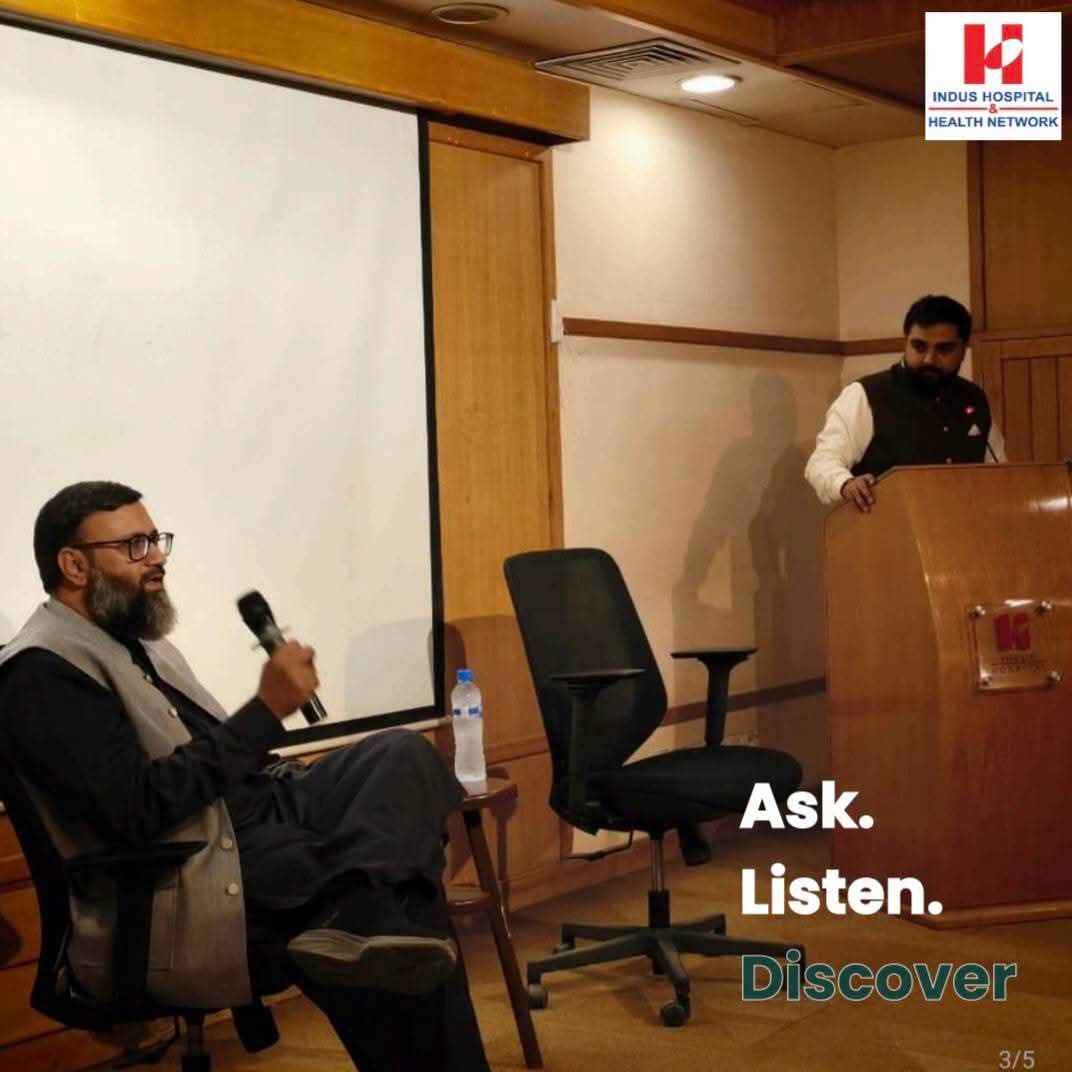
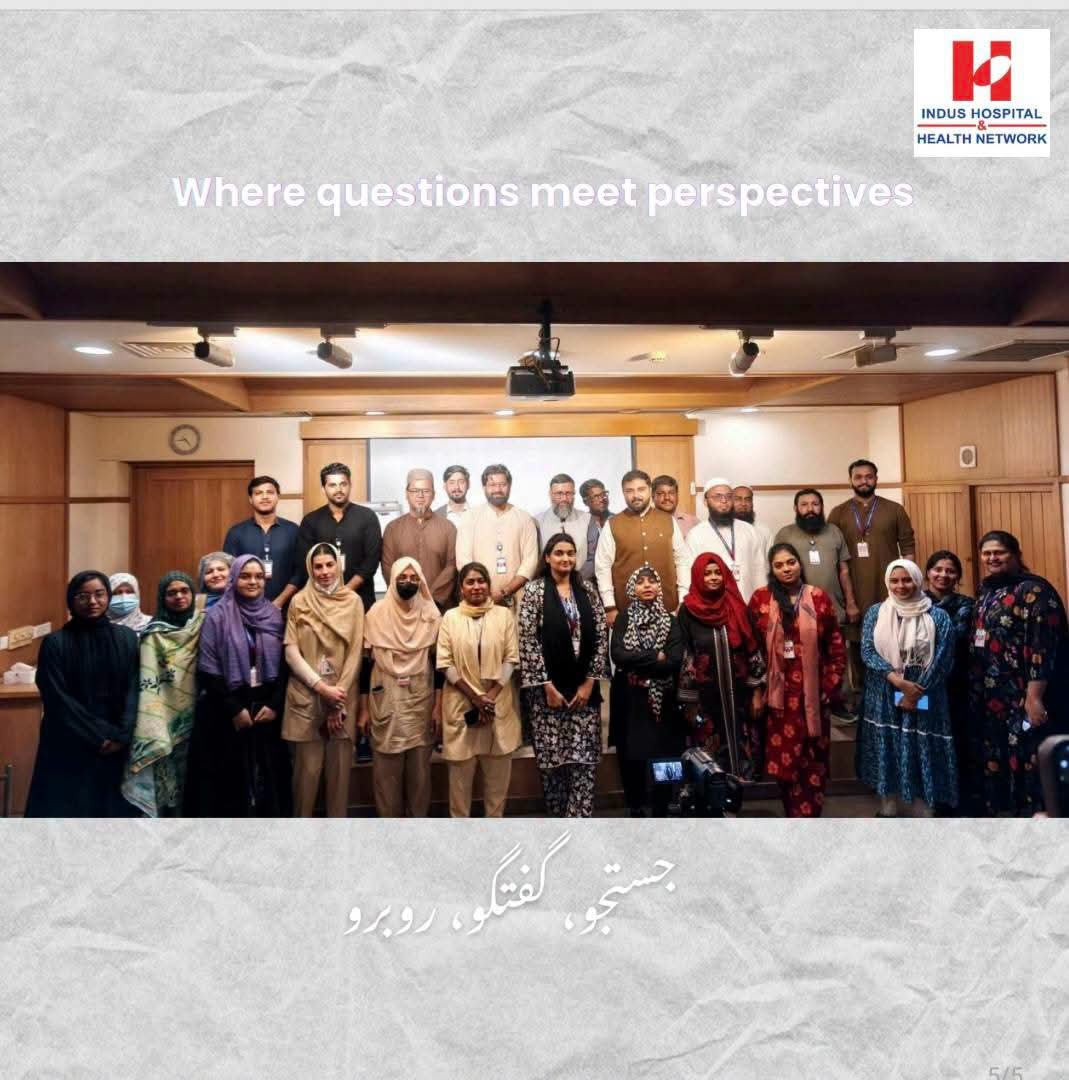
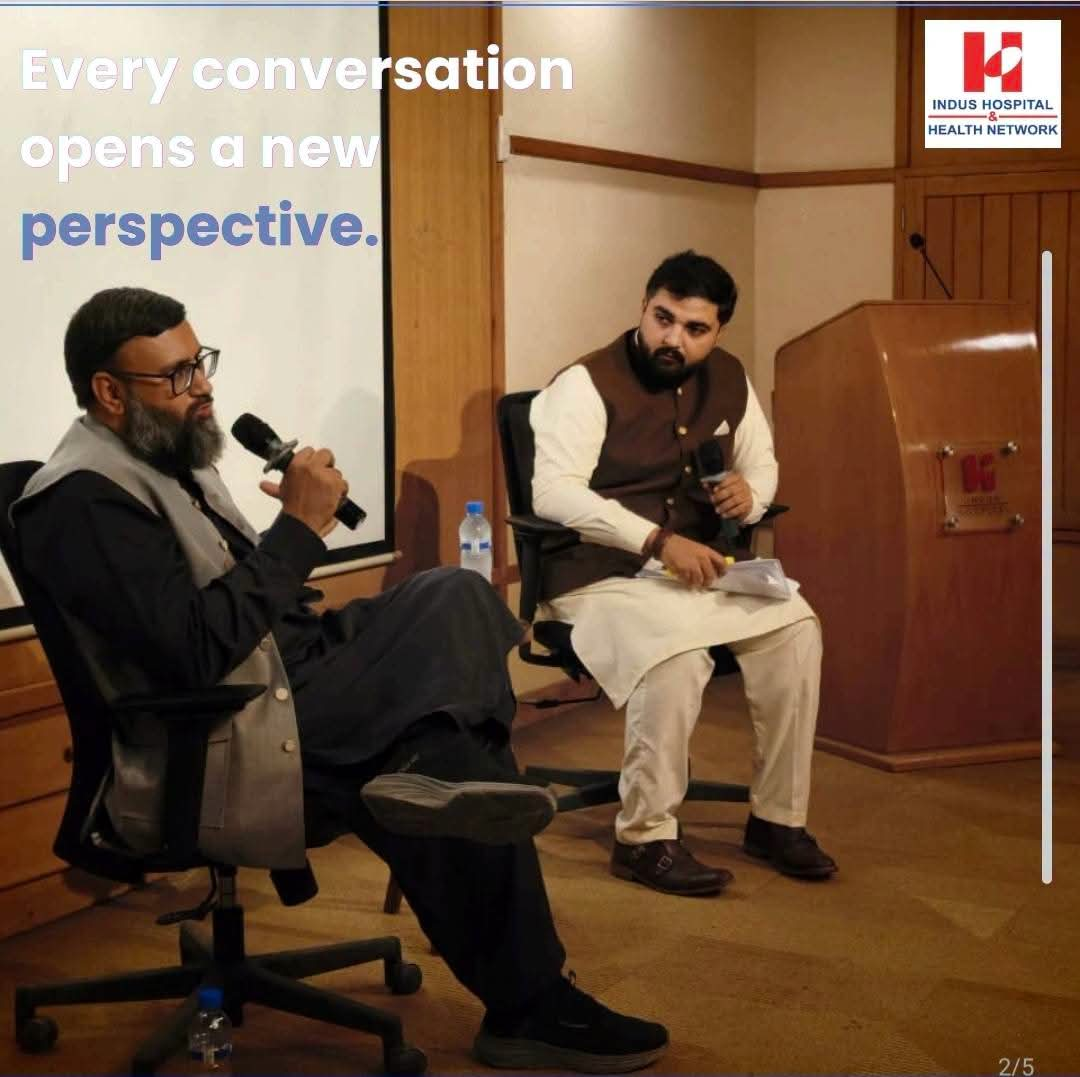
On Friday afternoon, I spent some meaningful time with the doctors and staff at Indus Hospital, exploring a simple but important question:
Can we learn to handle stress better by becoming better at handling ourselves?
We talked about understanding our stress response, recognizing our patterns, and building the inner resources that help us respond more effectively when life becomes demanding.